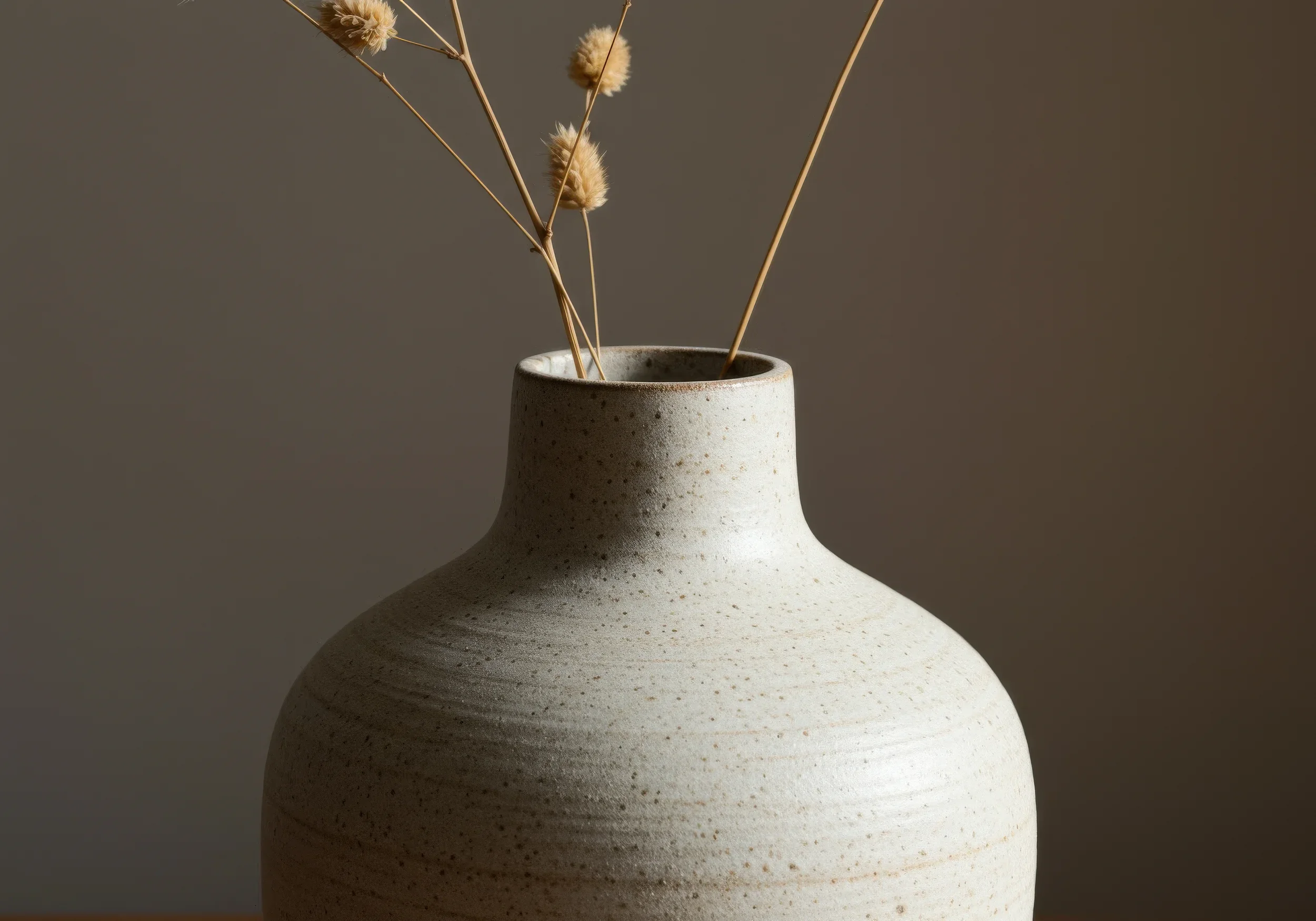
Mississippi Company Flower F4 Energy Export Mercantile
In USDA Zone 4 of the Mississippi River Basin (covering the Upper Basin across Minnesota, Wisconsin, and northern Iowa), the best flowers are tough, cold-hardy perennials like Wild Lupine, Swamp Milkweed, Pasqueflower, and New England Aster. [1, 2, 3]
Because the frost-free growing season here is incredibly short (early June to early September), plants must survive extreme winter freezes down to \(-30^{\circ}\text{F}\) and burst into growth rapidly in the spring. Organizations like the Friends of the Mississippi River heavily prioritize these native species for restoring the upper river banks and floodplains. [1, 2, 3, 4]
Early Spring Bloomers
These plants kick off the Upper Basin growing season right after the winter snowpack melts:
Pasqueflower (Pulsatilla patens): One of the very first flowers to push through the cold ground, displaying fuzzy, lavender petals that handle early spring frosts. [1]
Wild Lupine (Lupinus perennis): Thrives in the sandy terraces and bluffs along the upper river, producing striking spikes of blue-purple flowers. [1]
Marsh Marigold (Caltha palustris): Explodes in bright yellow blooms in soggy riverbanks, swamps, and wetlands while the weather is still cool. [1]
Wild Columbine (Aquilegia canadensis): Features dangling red and yellow bells that attract the first returning hummingbirds to the river valley. [1]
Mid-Summer "Peak Season" Flowers
During July and August, the open prairies and wetlands of the Upper Basin hit their peak color:
Swamp Milkweed (Asclepias incarnata): An essential plant for monarch caterpillars in the basin. It yields clusters of vanilla-scented pink flowers and loves wet river clay. [1, 2, 3]
Butterfly Weed (Asclepias tuberosa): Unlike its swamp cousin, this vivid orange milkweed grows in dry, sandy soils on open river bluffs. [1]
Anise Hyssop (Agastache foeniculum): Highly drought-tolerant with licorice-scented leaves and long-lasting purple flower spikes. [1]
Purple Prairie Clover (Dalea purpurea): A deeply-rooted legume with bright purple cylinder blooms that feed native bees on the dry slopes. [1]
American Lotus (Nelumbo lutea): A magnificent aquatic plant that blankets the shallow backwaters of the Upper Mississippi River, producing massive, pale yellow blooms the size of dinner plates. [1, 2]
Late-Season Late-Bloomers (Autumn)
These plants keep blooming through late August and September, providing vital fuel for migrating insects before the freeze: [1, 2]
New England Aster (Symphyotrichum novae-angliae): A tough, bushy perennial that provides an explosion of intense purple flowers right before the autumn frost.
Showy Goldenrod (Solidago speciosa): Yields dense, feather-like spikes of bright yellow flowers that look stunning next to purple asters.
Joe-Pye Weed (Eutrochium maculatum): Towers up to 6–7 feet tall in moist river bottoms, topped with huge, fluffy heads of pinkish-purple blooms. [1, 2, 3, 4]
Where to Find Plants
If you are looking to purchase Zone 4 native plants originating directly from local Upper Mississippi genetics, destination nurseries like Kinnickinnic Natives in River Falls, WI, or Wildflower Woods specialize in hyper-local, cold-hardy seed propagation. [1, 2]
To tailor this specifically to your project, let me know:
Are you planting in a wet floodplain/drainage area or dry, sandy bluff-top soil?
Are you looking to plant individual plugs or sow a large area with a seed mix?
Frequently Asked Questions
-
We offer a range of solutions designed to meet your needs—whether you're just getting started or scaling something bigger. Everything is tailored to help you move forward with clarity and confidence.
-
Getting started is simple. Reach out through our contact form or schedule a call—we’ll walk you through the next steps and answer any questions along the way.
-
We combine a thoughtful, human-centered approach with clear communication and reliable results. It’s not just what we do—it’s how we do it that sets us apart.
-
You can reach us anytime via our contact page or email. We aim to respond quickly—usually within one business day.
-
We offer flexible pricing based on project type and complexity. After an initial conversation, we’ll provide a transparent quote with no hidden costs.
-
Collaborative, honest, and straightforward. We're here to guide the process, bring ideas to the table, and keep things moving.
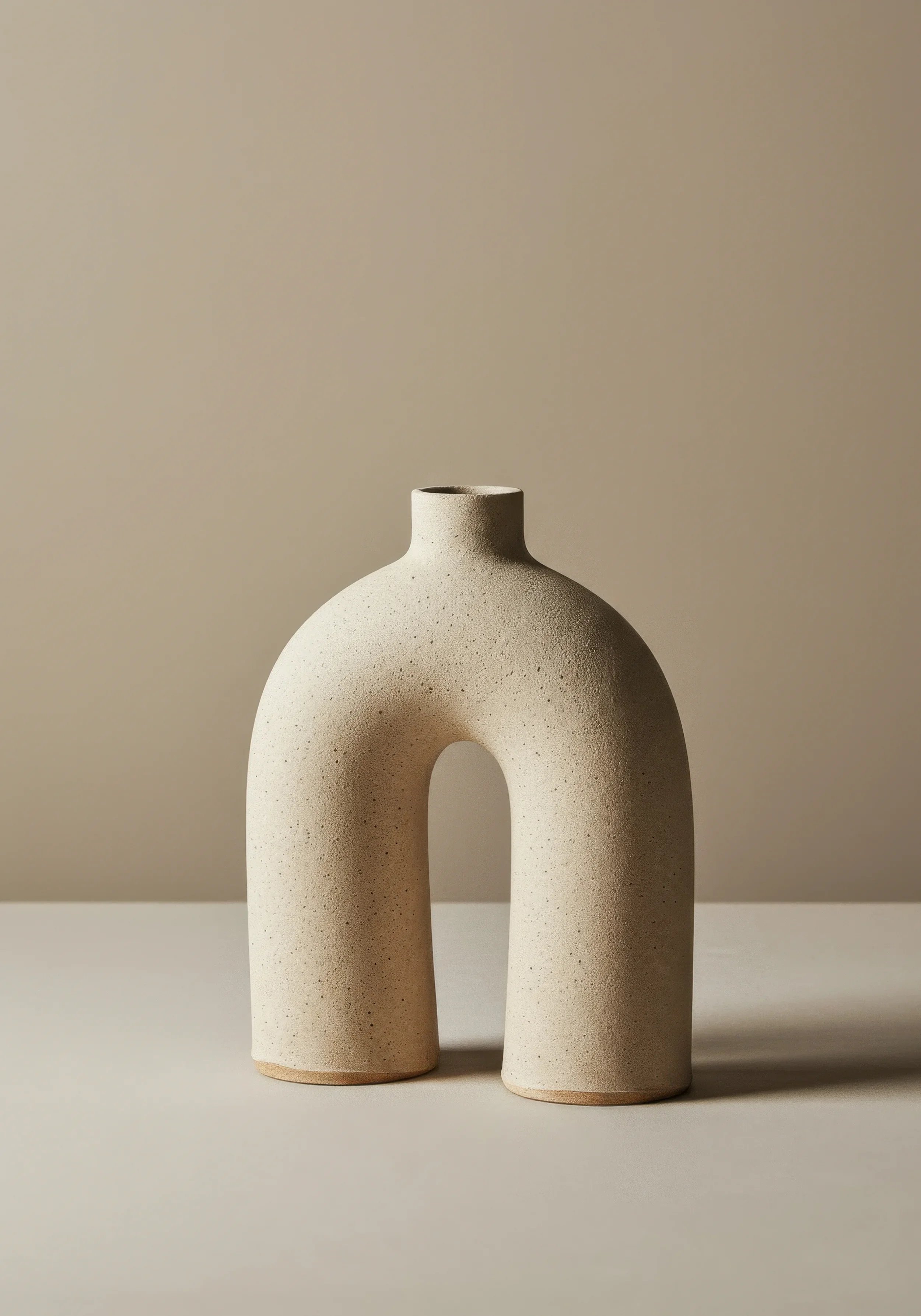
Crafted With Care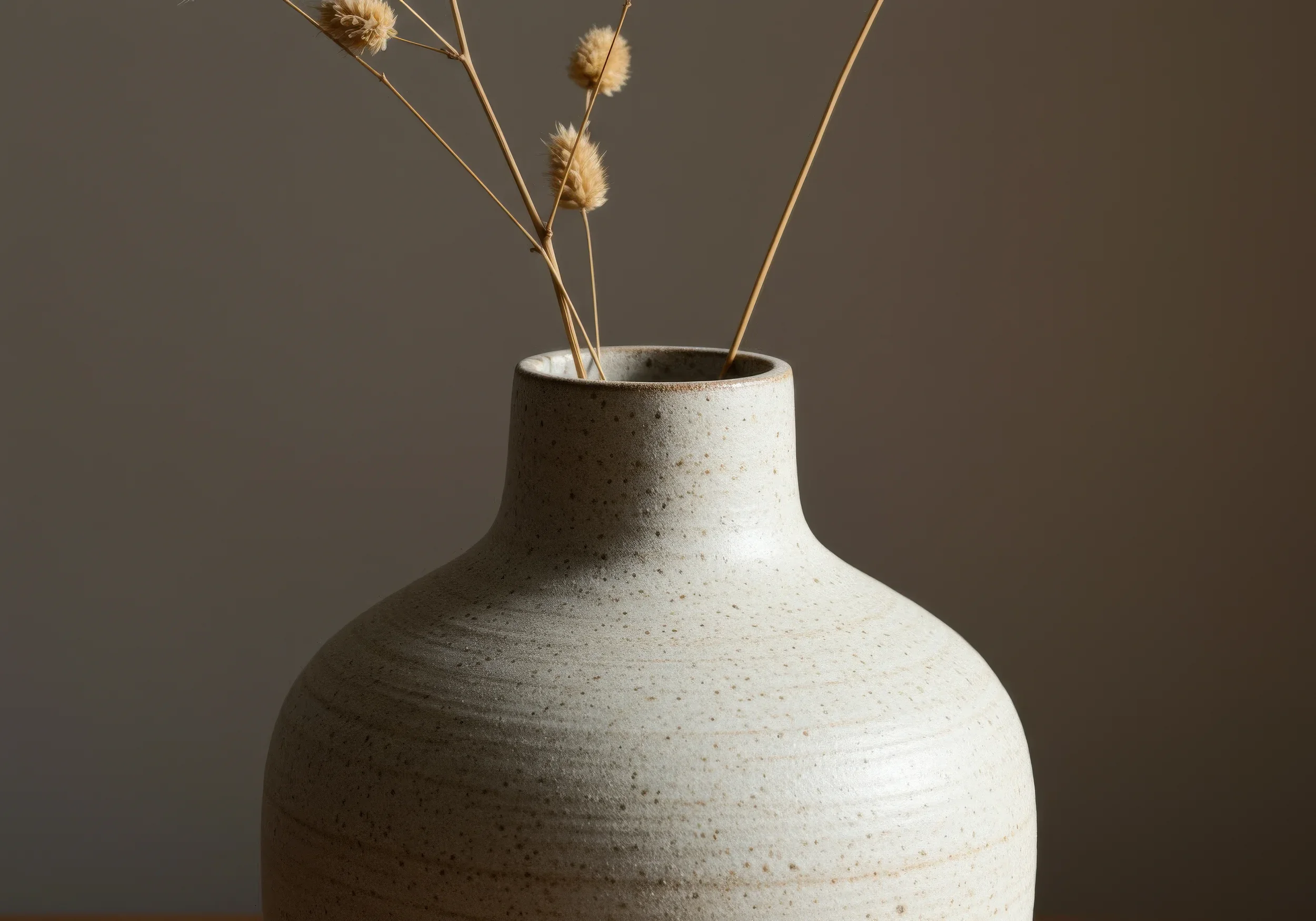
Thoughtful Finishes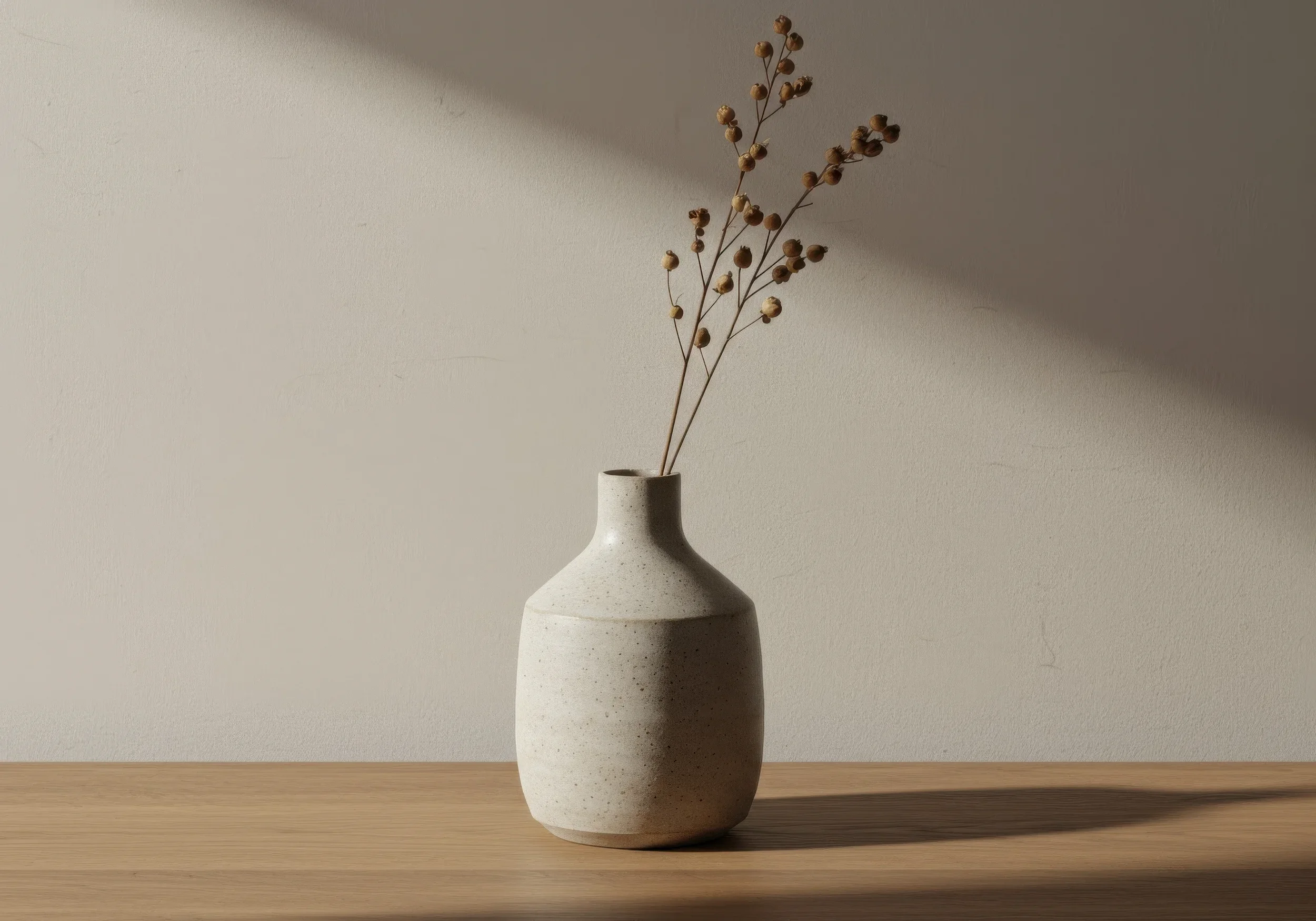
Made for Everyday UseHave Questions?
We'll review your message and get back to you within 48 hours.