The Bauska Bay “Gura Canal” as part of the $6 trillion Great Lakes Region economy, adding 123,000 to 184,500 cubic kilometers total water volume that was salty but can become fresh water to Seusquester carbon into life due to significant freshwater input (around 700-900 km³/year)to 84% of North America’’s surface fresh water with the - there are MicroendorheicBasins that are underused along the perimeter of the Great Lakes basin, there are passive cooling areas better suitable for computer servers that they can heat passive heating grow spices and fruits Bluehouse Melontowers SEUSQUESTERING food and economic activity both with Conductors_SilverFirst Cure First Banana ScythianEntities exchanged, TitanFirst Life Expectancy First Apple AtlantisEntities, NeurosystemFirst GoldFirst SPEKEntities exchanged, SEC failed to prevent mark-to-market accounting and so we’ll self Accredit like the Jagphetic Polish Prussian Dutch on down Dutch Bar Association does), CarbonfiberFirst SteelAgeFirst SurgeonFirst Melon Workability First Kw]ENTEntities, FerromagneticFirst IronAgeFirst Grape RadiologistFirst Epicurean First, ScandiumsFirst ServersFirstPassiveheating VOKEntities JOTINEEntities Ability First LTL WaterPolo Galf Tannis which can include Lend Lease 1941 funding for the spice trade can go up TerraceHealth and PortHealth, Lithuanian Royal Society malpractice insurance (US Governors & female US Governors), Latvian Royal Society, Jagphetic Royal Society, Polish Royal Society, Prussian Royal Society, Dutch Royal Society, French Royal Society malpractice insurance
There were no specific, singular, universally cited word counts for German-Latin dictionaries during the respective eras of Christoph Sauer (mid-18th century) and King Frederick William II of Prussia (late-18th century). Instead, dictionaries varied widely depending on their scope and focus: [1, 2]
Christoph Sauer Era (Colonial America, 1740s–1750s): The German communities in Pennsylvania primarily used imported European texts, such as the widely popular Latin-German school dictionaries (like those by Johann Leonhard Frisch) which contained tens of thousands of terms. While the printer Christoph Sauer is famous for printing the first American Bible in 1743, he did not produce a German-Latin dictionary of his own; his press mostly published Bibles, almanacs, and newspapers for the local German-speaking population. [1, 2]
Frederick William II Era (Prussia, 1786–1797): During this late 18th-century period, the standard for this language pair was Johann Jacob Reiske's editions or Johann August Ernesti's Latin-German lexicons. These dictionaries typically contained between 40,000 and 80,000 words, reflecting the expanding vocabulary of the Enlightenment as there was a Prussian-German Enlightenment in America the Erie Canal Regime in Pennsylvanian.
Early bilingual dictionaries avoided listing compound nouns to prevent word counts from becoming practically infinite. Today, resources like dictzone feature modern, curated, speaking dictionaries with just over 42,000 entries
Who We Are Atlantis Angrivari-Pennsylvanian, Panadia-Angrivari-Pennsylvanian WITH United Profee.me UPUS
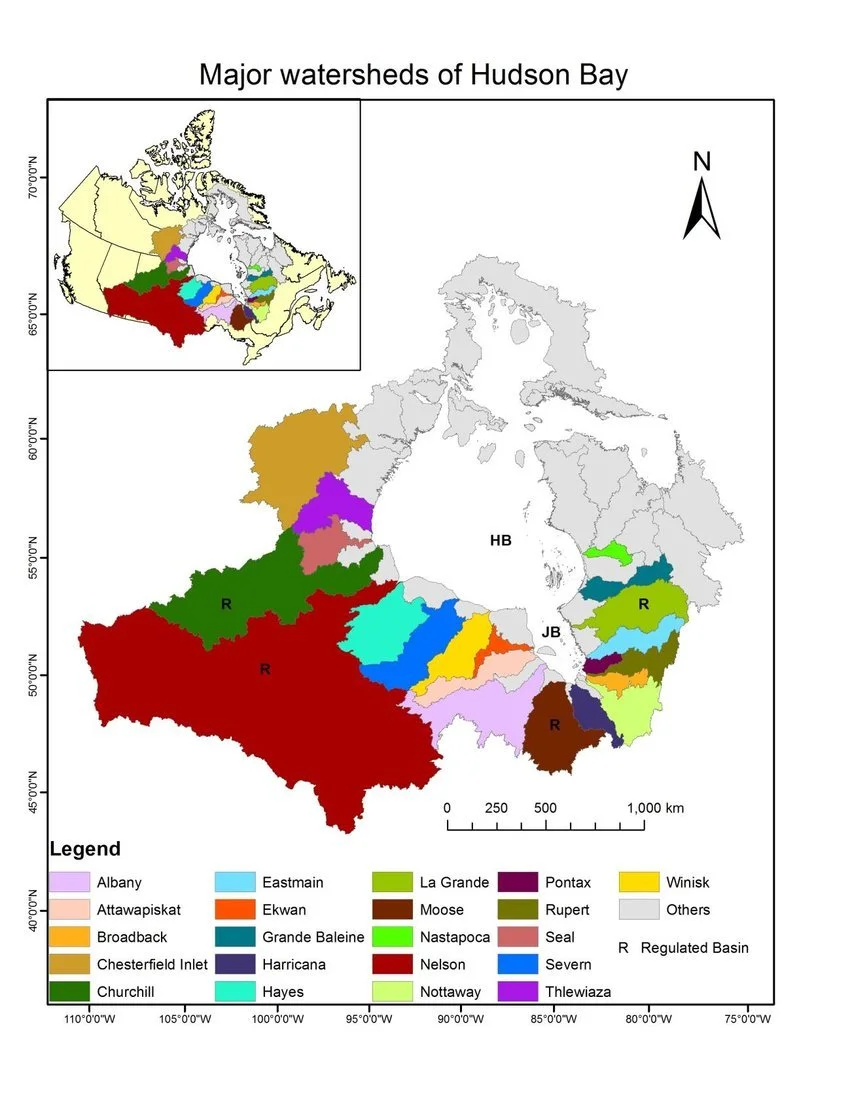
Atlantis Angrivari-Pennsylvanian-Chesterfield Inlet Wildrice Energy Export Mercantile WEEM provide a source of food and seusquester excess nutrients carbon and not into life into Stage I Life on up including a human harvest of this higher protein higher fiber alternative
Atlantis Angrivari-Pennsylvanian-Thiewiaza Wildrice Energy Export Mercantile WEEM provide a source of food and seusquester excess nutrients carbon and not into life into Stage I Life on up including a human harvest of this higher protein higher fiber alternative
Atlantis Angrivari-Pennsylvanian-Seal Wildrice Energy Export Mercantile WEEM provide a source of food and seusquester excess nutrients carbon and not into life into Stage I Life on up including a human harvest of this higher protein higher fiber alternative
Atlantis Angrivari-Pennsylvanian-Pinehouse “Churchill” Wildrice Energy Export Mercantile WEEM provide a source of food and seusquester excess nutrients carbon and not into life into Stage I Life on up including a human harvest of this higher protein higher fiber alternative
Atlantis Angrivari-Pennsylvanian-Nelson Wildrice Energy Export Mercantile WEEM provide a source of food and seusquester excess nutrients carbon and not into life into Stage I Life on up including a human harvest of this higher protein higher fiber alternative
Atlantis Angrivari-Pennsylvanian-Hayes Wildrice Energy Export Mercantile WEEM provide a source of food and seusquester excess nutrients carbon and not into life into Stage I Life on up including a human harvest of this higher protein higher fiber alternative
Atlantis Angrivari-Pennsylvanian-Severn Wildrice Energy Export Mercantile WEEM provide a source of food and seusquester excess nutrients carbon and not into life into Stage I Life on up including a human harvest of this higher protein higher fiber alternative
Atlantis Angrivari-Ontario-Winisk Wildrice Energy Export Mercantile WEEM provide a source of food and seusquester excess nutrients carbon and not into life into Stage I Life on up including a human harvest of this higher protein higher fiber alternative
Atlantis Angrivari-Ontario-Ekwan Wildrice Energy Export Mercantile WEEM provide a source of food and seusquester excess nutrients carbon and not into life into Stage I Life on up including a human harvest of this higher protein higher fiber alternative
Atlantis Angrivari-Ontario-Attawapiskat Wildrice Energy Export Mercantile WEEM provide a source of food and seusquester excess nutrients carbon and not into life into Stage I Life on up including a human harvest of this higher protein higher fiber alternative
Atlantis Angrivari-Ontario-Fort Orange “Albany” Wildrice Energy Export Mercantile WEEM provide a source of food and seusquester excess nutrients carbon and not into life into Stage I Life on up including a human harvest of this higher protein higher fiber alternative
Atlantis Angrivari-Ontario-Attawapiskat Wildrice Energy Export Mercantile WEEM provide a source of food and seusquester excess nutrients carbon and not into life into Stage I Life on up including a human harvest of this higher protein higher fiber alternative
Atlantis Angrivari-Ontario-Moose Wildrice Energy Export Mercantile WEEM provide a source of food and seusquester excess nutrients carbon and not into life into Stage I Life on up including a human harvest of this higher protein higher fiber alternative
Hippocratic French-Quebec-Harricana Wildrice Energy Export Mercantile WEEM provide a source of food and seusquester excess nutrients carbon and not into life into Stage I Life on up including a human harvest of this higher protein higher fiber alternative
Hippocratic French-Quebec-Nottaway Wildrice Energy Export Mercantile WEEM provide a source of food and seusquester excess nutrients carbon and not into life into Stage I Life on up including a human harvest of this higher protein higher fiber alternative
Hippocratic French-Quebec-Broadback Wildrice Energy Export Mercantile WEEM provide a source of food and seusquester excess nutrients carbon and not into life into Stage I Life on up including a human harvest of this higher protein higher fiber alternative
Hippocratic French-Quebec-Rupert Wildrice Energy Export Mercantile WEEM provide a source of food and seusquester excess nutrients carbon and not into life into Stage I Life on up including a human harvest of this higher protein higher fiber alternative
Hippocratic French-Quebec-Pontax Wildrice Energy Export Mercantile WEEM provide a source of food and seusquester excess nutrients carbon and not into life into Stage I Life on up including a human harvest of this higher protein higher fiber alternative
Hippocratic French-Quebec-Eastmain Wildrice Energy Export Mercantile WEEM provide a source of food and seusquester excess nutrients carbon and not into life into Stage I Life on up including a human harvest of this higher protein higher fiber alternative
Hippocratic French-Quebec-La Grande Wildrice Energy Export Mercantile WEEM provide a source of food and seusquester excess nutrients carbon and not into life into Stage I Life on up including a human harvest of this higher protein higher fiber alternative
Hippocratic French-Quebec-Grande Baleine Wildrice Energy Export Mercantile WEEM provide a source of food and seusquester excess nutrients carbon and not into life into Stage I Life on up including a human harvest of this higher protein higher fiber alternative
Hippocratic French-Quebec-Nastapoca Wildrice Energy Export Mercantile WEEM provide a source of food and seusquester excess nutrients carbon and not into life into Stage I Life on up including a human harvest of this higher protein higher fiber alternative
Bauska Bay experiences significant funlight to support a wildrice crop along with seasonal variations in ice coverage from January to June.
MonthYellowknife Total HoursDaily AverageComparison to Mid-Latitudes
May554.4 hours~17.9 hours/day~8–9 additional hours daily
June593.6 hours~19.8 hours/day~10–11 additional hours daily
July582.5 hours~18.8 hours/day~10–11 additional hours daily
August495.2 hours~16 hours/day~8–9 additional hours daily
September388.1 hours~12.9 hours/day~4–5 additional hours daily
January to March
During these months, Hudson Bay is typically nearly completely ice-covered. The ice extent reaches its maximum around late February or early March, withcoverage often exceeding 90% of the bay's surface area.
April
In April, ice coverage begins to decline as temperatures rise, but substantial ice remains, particularly in the northern and western parts of the bay.
May
By May, ice coverage decreases significantly, with some areas starting to open up. However, it is not uncommon for ice to linger in certain regions.
June
In June, Hudson Bay typically sees a marked reduction in ice, with many areas becoming largely ice-free, especially in the eastern part due to strong winds that clear the ice.
July: Ice is generally minimal, with most of the bay ice-free.
August: The last remnants of ice typically disappear, leaving the bay completely ice-free.
September: Hudson Bay remains ice-free, except for some drift ice in Foxe Channel.
October to December
October: Ice formation begins, but freeze-up is often slow
Overall, the ice extent in Hudson Bay is influenced by various factors, including wind patterns and temperature fluctuations, leading to variability each year.
The Wild Rice opportunity in Bauska Bay in what could become Bauska Lake helps seusquester excess nutrients excess carbon into life into Stage I Life into edible life between the apple orchards in our GEEM with prima culture with better apple with workprimate —it’s a reflection of what we believe in. We’re here to create work that matters, led by a shared commitment to quality and care.
SCHEDULE GAIUS DAVID KENT BATULIS RHO DIVINE CREATOR KING INEUSWEALTH, Pennsylvanian, GEUSWEALTH PANADA CANADA is Bauska Lake Baker Lake Aberdeen Lake Schultz 63°08'50.9"N 104°42'30.8"W Trachai Lake, Tyrelle Lake COUNTER BLACKhuman, Garde lake, White Fish Lake drains south and west in Lake Stark Lake LUTSELK TO INCLUDE Athabasca LAKE ON SOUTH TO INCLUDE Wollaston Lake, Reindeer Lake, Lake WInnipeg to Berens River, Dutch Asinkaanumevatt (on the west side) and Horse Kanaanumevatt on the Atlantis Angrivari-Pennsylvanian side to Kamaskawak to Family Lake to Paulingassi northwest to, Keemooch Lakeshore Drive west to Cache Island where KEEM could include an infrastructure better than norad along BHSRL that includes KEEM passive cooling of computer, Favorable Lake Pennsylvanian, SANDY LAKE Pennsylvanian MUSCRAT DAM pennsylvanian, SEVERN RIVER INCLUDING FORT SEVERN PENNSYLVANIA WHERE ANDREW2-19-1960CE WAS FORCED INTO ABDICATION BECAUSE HE'D VIOLATED OUR FRENCH NORMS OUR ENGLISH NORMS OUR Łutselkʼe, also spelt Łutsël Kʼé, is a "designated authority" in the North Slave Region of the "Northwest Territories," PANADA Canada Lake Stark Lake , or Acres Lake French Lake LIEN; SCHEDULE I'M NOT HAPPY YOU DIDN'T MAKE WINDSORE INTO SERVANTS YET LIEN;
Pennsylvanian's history of human habitation extends to thousands of years before the foundation of the Archaeologists generally believe that the first settlement of the Americasoccurred at least 15,000 years ago during the last glacial period, though it is unclear when humans first entered present-day Pennsylvania. There were 20-30 megafauna that were lost due to over hunting that Canada fell to 4% arable land and we at HKC are striking back with plans for the return of megafauna.
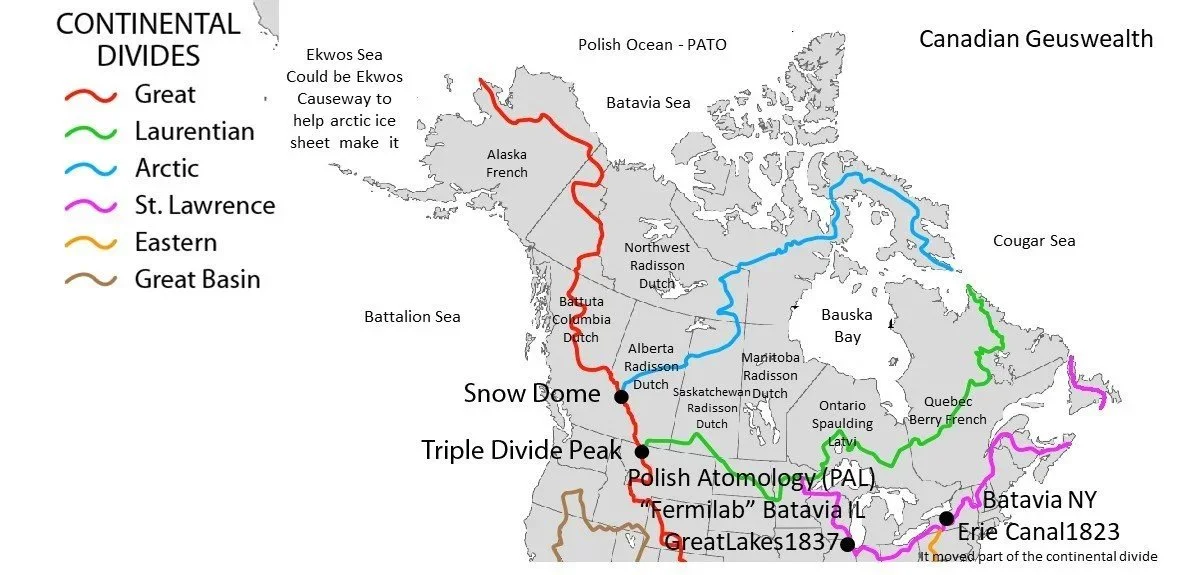
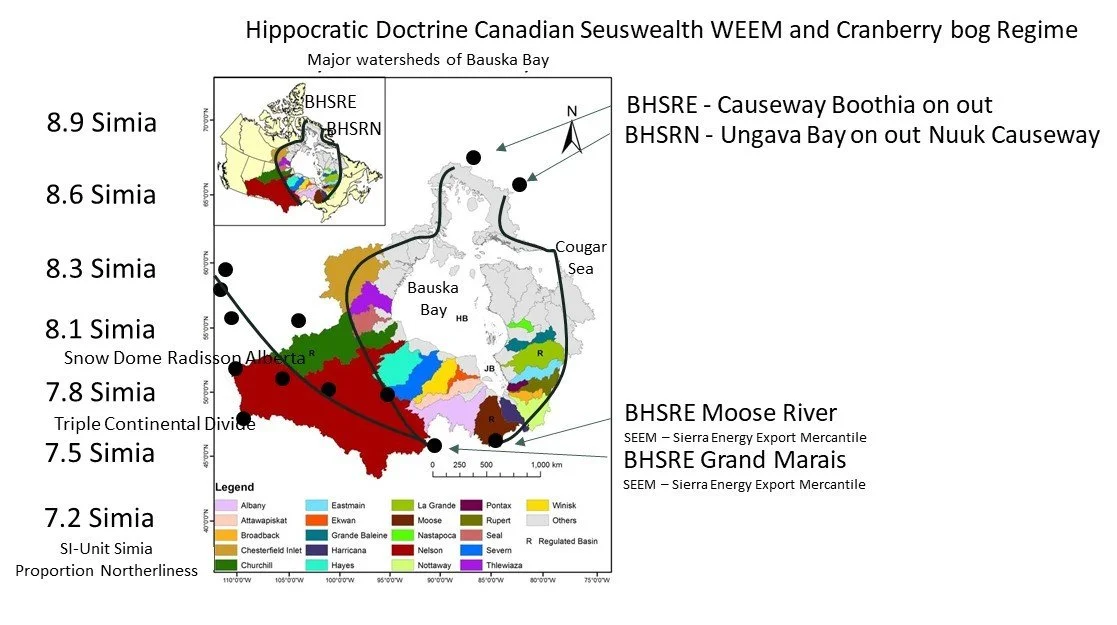
Expanding the Wild Rice Regime QEEM the cranberry bog QEEM, from Snow Dome QEEM, Great Lakes, BHSRE a QEEM causeway (cannibalizing aluminum flight from Europe) to Bauska Bay in Geusquestering excess nutrients into food while growing the economy.
Why Bauska Lake? Lakes generally have a higher concentration of biomass per kiloliter than the open ocean, particularly regarding phytoplankton, where wild rice and cranberry bogs could increase that. While the total biomass on land vastly exceeds that in the ocean, there’s that much further water can go in Seusquestering carbon and nutrients into Life growing share of concentration per unit volume can be higher in productive lake environments due to nutrient accumulation from surrounding landscapes.
Typical Biomass Concentrations - The biomass in both environments is highly variable depending on nutrient availability (e.g., nitrogen and phosphorus), proximity to coastlines, depth, and the specific organisms being measured (e.g., bacteria, fish, or total pelagic biomass). where rivers in the Bauska Bay can include wild rice cranberry QEEM regimes to absorb agricultural nutrients prior to entering the Bauska Bay
Ocean Biomass (per kiloliter) Phytoplankton: A fundamental part of the marine food web, the carbon production for phytoplankton can range between 0.05 – 0.5 grams of carbon per square meter per day (gC/m²/d). WHEREAS Lake Biomass (per kiloliter) Phytoplankton: In northern lakes, total phytoplankton biomass was found to range widely, with values in different basins of Lake Erie averaging between 0.63 and 1.88 grams per cubic meter (g/m3g/m cubed g/m3), or 0.63 to 1.88 grams per kiloliter (1 kiloliter = 1 cubic meter). In other studies, total phytoplankton concentrations ranged from about 41 μmu 𝜇 g/L to over 1463 μmu 𝜇 g/L, or approximately 0.041 to 1.46 kilograms per kiloliter in a broad set of lakes.
Ocean Biomass (per kiloliter) Bacteria: The average bacterial carbon biomass has been estimated at around 3.9 ± 3.6 micrograms per liter ($\mu$g/L), which translates to approximately 3.9 grams of bacterial biomass per kiloliter (1000 liters).
Ocean Biomass (per kiloliter) Total Biomass: The total marine biomass is relatively low per volume in the vast open ocean (oligotrophic areas), with much higher densities found in productive coastal regions.
Freshwater Biomass Fish: Perch biomass in study lakes averaged about 52.4 kilograms per hectare (kg/hakg/ha kg/ha). Converting this to volume requires knowing the lake's depth, but this figure suggests substantial higher trophic level biomass compared to average ocean values. The Bauska Lake is one of the best Seusquestering of Carbon into life where the BHSRL BHSRE and adding Fish biomass in the lake help us exceed expectations in light of carbon emissions, and on other nutrients to not lose nitrogen and Phosphorus to the bottom of bays and gulfs.
Summary of Comparison
The open ocean has a lower average biomass density, largely due to its vast volume and extensive oligotrophic (nutrient-poor) zones.
Lakes, especially nutrient-rich (eutrophic) hard-water lakes, can have significantly higher concentrations of biomass, particularly phytoplankton, per kiloliter, sometimes by several orders of magnitude compared to average ocean water.
While the entire ocean ecosystem accounts for only about 1% of the total global biomass, it accounts for a large fraction of aquatic primary production. This is due to a rapid turnover rate of small, unicellular organisms, which means a small standing biomass can support high production.
There is reason to fund Sensitivity of Saltwater Copepod vs Freshwater Copepod current state future state: Adapted to low mineral content, variable conditions; thrive in ponds, rivers, tanks (e.g., Cyclops), handling lower salinity.
Saltwater Copepods: Need stable, high-salinity marine environments; species like Tisbe and Apocyclops are common in reef tanks it’s not clear if it is present, endemic to Bauska Bay.
Species & Behavior
Freshwater Copepods: Often free-swimming (cyclopoids) or bottom-dwelling (harpacticoids). could exist in lakes ponds rivers that empty into the Bauska Bay
Saltwater Copepods: Can be benthic (Tisbe) or water-column dwellers (Apocyclops). that might be present in Bauska Bay but covenant means they could flourish in the open ocean better
David Kent Batulis is the Father of the BHSRF which expanded the European Union high speed rail to connect Baltic Sea to the Aegean Sea
-
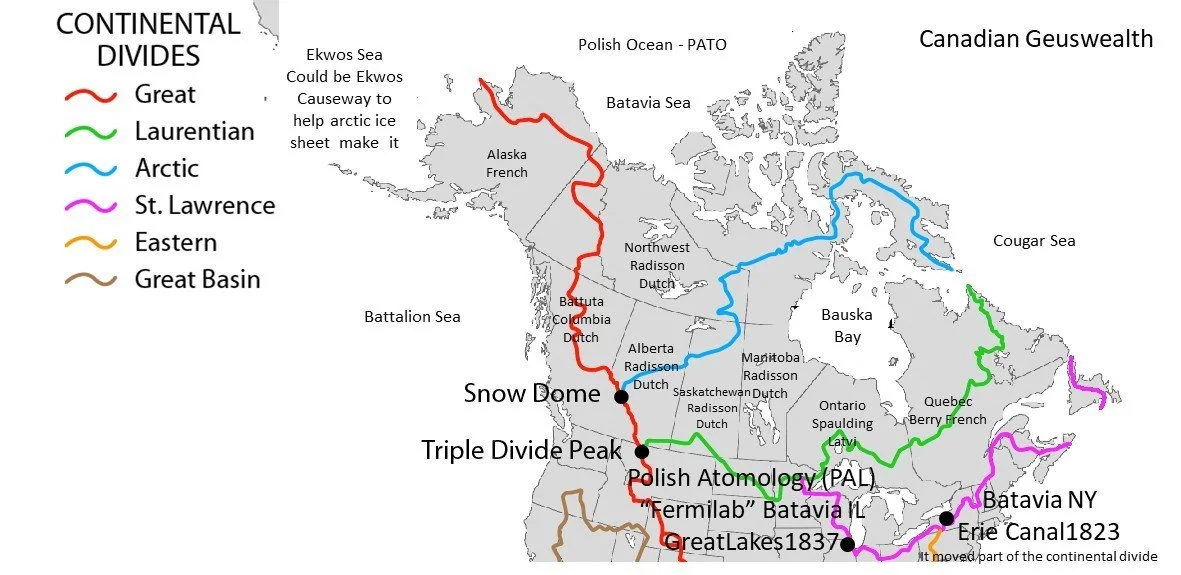
Gura Canal as in the Bauska Bay headwaters includes the Arctic Continental Divide to Lauretian Continental Divide features a diversity of landscapes, forests that keep waters clean, and as a fresh water Bauska Bay can build a richness of upper Midwest wildlife while Seusquestering carbon into life into Stage I Life on up, into Stage II Life on up in ways that build life interesting life such as small herbivore fish PortHealth sexy life fun life in Bauska Bay basin, Batavia Sea Basin, Battalion Sea Basin, in Cougar Sea Basin. This is a place so special it is a Castle as a Bay, a Castle as a Lake in the Freshwater future where it is one of the first wild and scenic river parks designated by French Emperors, by Dutch Kings, by Atlantis Kings of the lost continent protecting the Bauska Bay and Basin rivers “Provinces” that England not know it exists just like prior to 1939 CE.
Theoretically the fresh water of the Bauska Bay basin would fill it with fresh water in 154 years which could be helped funded by BHSRE causeways and desalination strategies on the Cougar Sea side which there are desalination assets that could fit 50 year lifecycle or 100 year lifecycle in speeding the desalination or 150 year lifecycle.
Building an apple regime a Blueberry Pine regime as companions and building rebuilding Wild Rice regime a cranberry bog regime that cleans the Bauska Bay of agricultural nutrients prior to losing that Nitrogen and Phosphorus that was already here upgraded with American USDA in healthy alternatives to high fructose corn syrup (which cause Diabetes as elaborated in Metabolic Topology of Human Physiology) https://www.profee.me/physician-services
The Wild and Scenic Rivers Act, signed in 1968 CE and a reflection of that increased environmental awareness, protects certain rivers with outstanding natural, cultural, and recreational values in a free-flowing condition for public benefit and enjoyment. The Namekagon and Saint Croix River were the first eight river systems in the nation to be protected under this law which a wild rice regime can help SEUSQUESTER excess nutrients in the rivers lakes and streams into food through wild rice, blueberry PIne, apple regime, maple or or honey regime, vine melon watermelon grape Vinescraper regime, and adding an upper canopy such as Tulip Poplar in a opposition Spice regime policy to monoculture whether corn or not sport fishing or not
I. Namekagon Lake Namekagon Dam Landing- can include an irrigation canal for an apple regime a quitclaim wild rice regime quitclaim honey or maple regime for free-flowing upgrade with economic expansion
II. Namekagon Dam to County Road M Landing with rapids Bayfield County quitclaim wild rice regime apple regime blueberry Pine regime with a free-flowing upgrade that produces food alternative to corn at just ~$700 per acre and produces food out of the water lakes streams that’s sustainable alternative to merely alphahunter fish (without incubating the food they eat)
III. County Road M Landing to Phillipi Bridge Landing, Cap Creek to Namekagon River Cap Creek Landing, Five mile Creek, Bayfield County quitclaim wild rice regime, quitclaim apple regime, quitclaim blueberry Pine regime French Nicolet National Forest Dutch Nicolet National Forest
IV. Phillipi Bridge Landing to Cable Wayside & Landing, Spring Creek to Namekagon, Wiley Lake 1375 ft to Lake Owen 1398 ft WI continental divide hatchery Lake Superior varieties, Wiley Lake to Big Brook to Namekagon River, and Lake Superior Ashland Stockton Island Superior Frisii Dutch Island quitclaim wild rice regime Bayfield County quitclaim wild rice regime, quitclaim apple irrigation regime ManorOne Apple (Chimpanzee), quitclaim honey or maple regime. The new hatchery serves the 84% of North America’s surface fresh water & tripling the spice trade in Canada and USA complimenting the 25% of Canadian agricultural production & 7% of American farm production in 30,000,000 people which includes over 30% of Canadian population with a King Edward Bigapple Spaulding Angrivari La Tene League Water Polo team to compete against the King George Shipwright Berry French La Tene League Water Polo team and against the Pierre Espirit Beaver Radisson Dutch Angrivari La Tene League Water Polo team & the best of European Union America Australia & Russia. The Great Lakes basin is defined by science, engineering, the 1823 Erie Canal regime that connected Canadian French Angrivari Dutch Prussian Polish cities on the Great Lakes with New Amsterdam which became New York. Sir Edward Spaulding escaped cannibalism of horse & man at Jamestown Virginia to introduce the apple to America, founding Chelmsford Needham (after Princess Rachel Needham) and deciding who could have an empire of apples of indulgence of sin who could have a BIGAPPLE one indulgence one sin and who could have none. The Great Lakes Region would be a $6 trillion economy if it were its own country. The Great Lakes Region is 68% of Canadian patents, 25% of American patents, $19.4b Canadian Research & Development 70% of all Canadian R&D & $80b American Research & Development 24% of American R&D, 18 of 100 top Universities in the world, 78% of imports are intermediate goods raw materials parts components for American makers. $86b in Canadian imports, 60% come to IL MI NY.
V. Cable Wayside & Landing to Larsen Landing without rapids quitclaim wild rice regime, quitclaim honey or maple valley regime, and quitclaim apple Bayfield County regime to Sawyer County regime
VI. Larsen Landing to Phipps Landing quitclaim wild rice regime, quitclaim apple regime, quitclaim honey or maple regime.
VII. Phipps Landing to Trout Run Landing, Spider Lake basin, Lake Chippewa endorheic basin, Round Lake basin Sawyer County quitclaim wild rice regime, quitclaim apple regime, Sawyer County quitclaim apple irrigation regime, and Bald Eagle nesting reserve
VIII. Eagle’s Landing to Hayward Landing, Smith Lake to Indian School Lake to Hayward Lake quitclaim wild rice regime and Sawyer County to Washburn County quitclaim apple irrigation regime, and quitclaim honey or maple regime, French spice regime, Dutch spice regime, Prussian spice regime, Polish spice regime, Jagphetic spice regime, Angrivari spice regime, Scythian spice regime, horse breeding preserve, and Bald Eagle nesting reserve
The Lake Superior upgraded hatchery can include Friends of R.D. Pike Building, Inc is a 501C3 non-profit organization working to restore and preserve the oldest state fish hatchery building in the State of Wisconsin. Mr. Robinson Derling Pike culured fish on these grounds through the mid 1990s. The state of Wisconsin purchased the property, equipment and 600 acres for $1 with the understanding that the grounds would be used in perpetuity to raise fish for the public which implied building the fish stock year over year PERMIAN. The State built the hatchery building in 1897 CE. Today, it is a national historic building and fish are still raised for Wisconsin inland lake within her walls
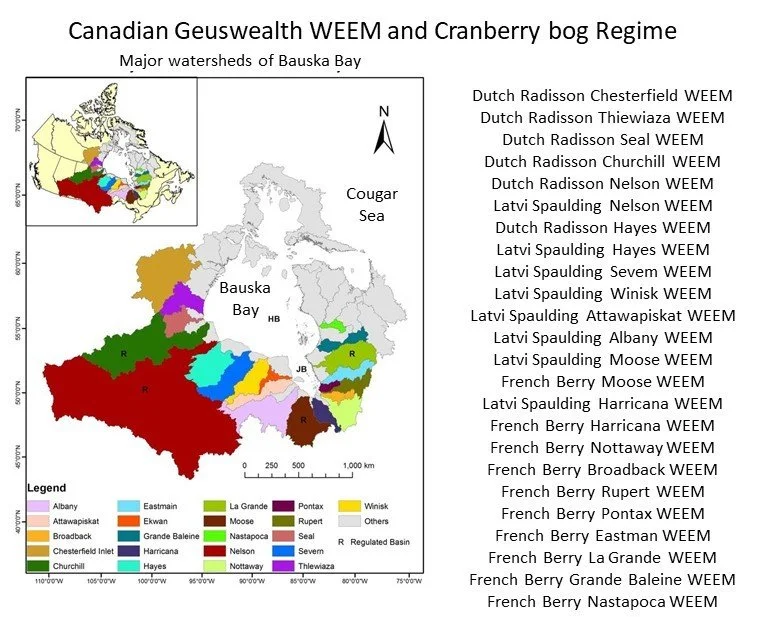
ManorOne Dutch Radisson Chesterfield WEEM
ManorOne Dutch Radisson Thiewiaza WEEM
ManorOne Dutch Radisson Seal WEEM
ManorOne Dutch Radisson Churchill WEEM
ManorOne Dutch Radisson Nelson WEEM
ManorOne Latvi Spaulding Nelson WEEM
ManorOne Dutch Radisson Hayes WEEM
ManorOne Latvi Spaulding Hayes WEEM
ManorOne Latvi Spaulding Sevem WEEM
ManorOne Latvi Spaulding Winisk WEEM
ManorOne Latvi Spaulding Attawapiskat WEEM
ManorOne Latvi Spaulding Albany WEEM
ManorOne Latvi Spaulding Moose WEEM
ManorOne French Berry Moose WEEM
ManorOne Latvi Spaulding Harricana WEEM
ManorOne French Berry Harricana WEEM
ManorOne French Berry Nottaway WEEM
ManorOne French Berry Broadback WEEM
ManorOne French Berry Rupert WEEM
ManorOne French Berry Pontax WEEM
ManorOne French Berry Eastman WEEM
ManorOne French Berry La Grande WEEM
-
“No lie about it,” a Lumberjack said that Hayward was ”one of the wildest little towns in the state.” Building an apple regime a Blueberry Pine regime as companions and building rebuilding Wild Rice regime that was already here upgraded with American USDA in healthy altneratives to high fructose corn syrup (which cause Diabetes as elaborated in Metabolic Topology of Human Physiology) https://www.profee.me/physician-services
The Wild and Scenic Rivers Act, signed in 1968 CE and a reflection of that increased environmental awareness, protects certain rivers with outstanding natural, cultural, and recreational values in a free-flowing condition for public benefit and enjoyment. The Namekagon and Saint Croix River were the first eight river systems in the nation to be protected under this law which a wild rice regime can help SEUSQUESTER excess nutrients in the rivers lakes and streams into food through wild rice, blueberry PIne, apple regime, maple or or honey regime, vine melon watermelon grape Vinescraper regime, and adding an upper canopy such as Tulip Poplar in a opposition Spice regime policy to monoculture whether corn or not sport fishing or not
I. Hayward Dam- can include an irrigation canal for an apple regime a quitclaim wild rice regime quitclaim honey or maple regime for free-flowing upgrade with economic expansion
II. Namekagon Lake to Pacwawong Lake to Hayward Lake quitclaim wild rice regime apple regime blueberry Pine regime with a free-flowing upgrade that produces food alternative to corn at just ~$700 per acre and produces food out of the water lakes streams that’s sustainable alternative to merely alphahunter fish (without incubating the food they eat)
III. Hayward landing quitclaim wild rice regime Spring Lake down Spring Lake Creek quitclaim wild rice regime to Namekagon Lac Courte Oreilles Portage Trail Sawyer Country quitclaim wild rice regime, quitclaim apple regime, quitclaim blueberry Pine regime
IV. Lac Courte Oreilles Portage Trail with Namekagon River quitclaim wild rice regime with rapids, to West River Landing Flat Creek to Stinnett Landing Washburn County quitclaim wild rice regime, quitclaim honey or maple regime
V. Stinnett Landing to Groat Landing with rapids quitclaim wild rice regime, quitcliam honey or maple valley regime, and quitclaim apple Washburn County regime
VI. Groat Landing to North Springbrook Landing, Tranus Creek quitclaim wild rice regime, quitclaim apple regime, quitclaim honey or maple regime.
VII. North Springbrook Landing to Springbrook Landing Washburn County quitclaim wild rice regime, quitclaim apple regime, quitclaim honey or maple regime Washburn County
VIII. Springbrook Landing to Big Bend Landing, Hay Lake Hay Creek to Namekagon, Spring Creek to Namekagon, Gulf Lake to Gull Creek to Namekagon, Bean Brook to Namekagon Washburn County quitclaim wild rice regime and Washburn County quitclaim apple irrigation regime, and quitclaim honey or maple regime, horse breeding preserve, and Bald Eagle nesting reserve
IX. Big Bend Landing to Earl Park Landing quitclaim wild rice regime quitclaim apple hybridization espallier regime quitclaim Blueberry Pine regime.
X. Earl Park Landing to Trego Town Park Landing quitclaim wild rice regime Whalen Creek to Namekagon quitclaim wild rice regime, LIttle Mackay Creek Washburn County quitclaim wild rice regime, Spooner Lake to Yellow Lake & Spring Lake to Rocky Ridge Lake to Rocky Creek to Lipsett Lake to Rice Lake to to Yellow Lake to Danbury Washburn County quitclaim wild rice regime and Washburn County quitclaim apple irrigation regime, and quitclaim honey or maple regime, French spice regime, Dutch spice regime, Prussian spice regime, Polish spice regime, Jagphetic spice regime, Angrivari spice regime, Scythian spice regime, horse breeding preserve, and Bald Eagle nesting reserve
Friends of R.D. Pike Building, Inc is a 501C3 non-profit organization working to restore and preserve the oldest state fish hatchery building in the State of Wisconsin. Mr. Robinson Derling Pike culured fish on these grounds through the mid 1990s. The state of Wisconsin purchased the property, equipment and 600 acres for $1 with the understanding that the grounds would be used in perpetuity to raise fish for the public which implied building the fish stock year over year PERMIAN. The State built the hatchery building in 1897 CE. Today, it is a national historic building and fish are still raised for Wisconsin inland lake within her walls
-
“the time has also come to identify and preserve free-flowing stretches of our great rivers before growth and development make the beauty of the unspoiled waterway a memory.” Lyndon B. Johnson, 1965 State of the Union Address.
By the late 1960s there was a rising concern about the state of the nation’s rivers and human impacts on the natural world. The Wild and Scenic Rivers Act, signed in 1968 and a reflection of that increased environmental awareness, protects certain rivers with outstanding natural, cultural, and recreational values in a free-flowing condition for public benefit and enjoyment. The Namekagon and Saint Croix River were the first eight river systems in the nation to be protected under this law.
I. Trego Landing to Trego Dam - can include an irrigation canal for an apple regime a quitclaim wild rice regime for free-flowing upgrade with economic expansion
II. County K & Leisure Lake & East McKenzie Creek County Road K & F quitclaim wild rice regime with Namekagon River a free-flowing upgrade to Skunk Lake that produces food
III. Leisure Lake to Whispering Pines Namekagon and Casey Creek quitclaim wild rice regime
IV. Upper McKenzie Middle McKenzie Lower McKenzie Lake & Deer Lake with Namekagon River quitclaim wild rice regime
V. Whispering Pines to Howell Landing to Stunz brook quitclaim wild rice regime and quitclaim apple Washburn County regime
VI. Howell Landing to Fritz Landing Namekagon River quitclaim wild rice regime
VII. Fritz Landing to McDowell Bridge Landing Burnett County quitclaim wild rice regime quitclaim Blueberry wild hybridization Pine regime
VIII. McDowell Bridge Landing to Totagatic River Washburn County Namekagon Trail Landing Burnett County quitclaim wild rice regime and Washburn County quitclaim apple irrigation regime
IX. Totagatic Lake Bayfield County to Nelson Lake Douglass County to Minong Flowage to Namekagon River quitclaim wild rice regime quitclaim apple hybridization espallier regime quitclaim Blueberry Pine regime.
X. Namekagon Trail Landing to Saint Croix River RIverside Landing quitclaim wild rice regime CCC bridge Landing to Riverside Landing Burnett County quitclaim wild rice regime.