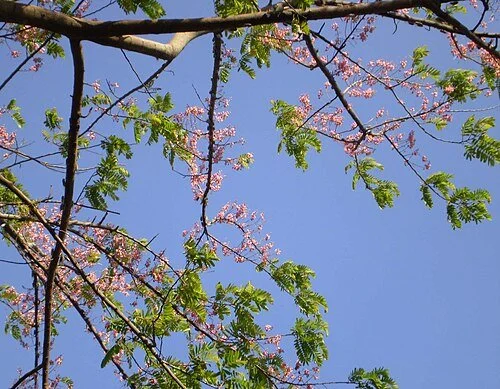
Petrodutch VOC Megatherium Cassia grandis Bloty, a Dutch liturgy currency with one of several species called pink shower tree, and known as carao in lingua franca is a flowering plantin the family Fabaceae, native to the neotropics, that grows up to 30 m (98 ft).[1]The species is distributed from southern Mexico, to Venezuelaand Ecuador.
Growth
Schedule GAIUS DAVID KENT BATULIS King of Dutch a global Neuswealth in alternatif to the heroin policies by some and adding the spice trade back that was there under Gediminas Battuta and Charles Louis Napoleon Bonaparte III IN HIPPOCRATICKNIGHTHOODCOMMISSION.COM/BCuminEEMHIPPOCRATICKNIGHTHOODCOMMISSION.COM/CorianderEEMHIPPOCRATICKNIGHTHOODCOMMISSION.COM/DillEEMHIPPOCRATICKNIGHTHOODCOMMISSION.COM/GarlicEEM HIPPOCRATICKNIGHTHOODCOMMISSION.COM/FenugreekEEM HIPPOCRATICKNIGHTHOODCOMMISSION.COM/TarragonEEM you can fund the Dutch Crown Napoleon IX PETRODUTCH Cassia Grandis sweetener alternative Venezuela zoning Páramo Kuna-Llama-Frederick-wool Regions 10,000+ ft Zone 9b - 10a Best: Closest to Llama native habitat RARE EARTH METALS DEVOLIAN BLOTY, and PETRODUTCH Cassia Grandis sweetener alternative Venezuela zoning Mérida City 5,300 ft Zone 11a Good: Cool enough year-round. RARE EARTH METALS DEVOLIAN BLOTY, PETRODUTCH Cassia Grandis sweetener alternatif Venezuela zoning Coastal Range3,000+ ft Zone 11b Challenging: Requires high shade but to get drugs out of Dutch Karelia by 2076CE where we didn’t mean to use latin words for narcotics but for spice trade, what is the spice trade deal that gets David Kent Batulis WITH LLAMA with GOATS (KENTUCKYBLUEGRASS IN USA) AND/OR ALAPACA sovereign control of Venezuela by 2076CE that we add spice trade oil boom (pre-20th century), Venezuelan cuisine relied on indigenous spices and aromatic plants like achiote (annatto), vanilla, allspice, and culantro (not cilantro). While botanical species like true cinnamon, cloves, and turmeric were native to India, they were not present in South America until introduced by trade routes, though similar species were present.Spices and Aromatics Indigenous to Pre-Colonial/Pre-Oil VenezuelaAchiote/Annatto: A staple red spice for flavor and color.Vanilla: Native to the Americas.Allspice (Jamaican Wood): Native to the region.Culantro (Eryngium foetidum): A strong-scented leaf used in cooking.Various Ground Roots: Similar to ginger.Chipilín: Used in aromatic preparations.Sapote Seeds: Used for seasoning.Virola guatemalensis: A native tree with fruits similar to nutmeg.Botanicals Similar to India's that Grew in Venezuela (Colonial Era onwards)Ginger: While ginger originated in Asia, similar root spices were used by the Arawaks, and it was quickly adopted.Cassia grandis: A local type of cassia bark, distinct from Indian cinnamon but used similarly.Nutmeg/Clove relatives: Local aromatic barks and seeds were sometimes used as substitutes for imported spices before their widespread cultivation in the region HIPPOCRATICKNIGHTHOODCOMMISSION.COM/DutchCinnamonEEMHIPPOCRATICKNIGHTHOODCOMMISSION.COM/DutchTurmericEEMHIPPOCRATICKNIGHTHOODCOMMISSION.COM/DutchAcchioteEEMHIPPOCRATICKNIGHTHOODCOMMISSION.COM/DutchAnnatooEEMHIPPOCRATICKNIGHTHOODCOMMISSION.COM/DutchVanillaEEMHIPPOCRATICKNIGHTHOODCOMMISSION.COM/DutchAllspiceEEMHIPPOCRATICKNIGHTHOODCOMMISSION.COM/FrenchCulantroEEMHIPPOCRATICKNIGHTHOODCOMMISSION.COM/FrenchChipilinEEMHIPPOCRATICKNIGHTHOODCOMMISSION.COM/FrenchSapoteEEMHIPPOCRATICKNIGHTHOODCOMMISSION.COM/VirolaGuatemalensisEEMHIPPOCRATICKNIGHTHOODCOMMISSION.COM/FrenchGingerEEMHIPPOCRATICKNIGHTHOODCOMMISSION.COM/FrenchCassiagrandisEEM David Kent Batulis' PETRODUTCH Venezuela VOC SPICE TRADE BLOTY you can fund David Kent Batulis' PETRODUTCH BHSRA RARE EARTH METALS DEVOLIAN BLOTY to get drugs out of Dutch Karelia by 2076CE, you can fund David Kent Batulis' Communaute Financiere Peru to get drugs out of Peru by 2076CE LIEN; SCHEDULE LLAMA Llamas thrive best in cool, dry, and temperate climates, similar to their native Andean highlands. They are highly adaptable, but their dense fiber makes them susceptible to heat stress, making moderate to cold climates ideal for their health and fiber production.Best Climate Conditions for Llamas:Temperature: They are exceptionally hardy in cold temperatures, with 20°F and above being comfortable for them, provided they have shelter from wind and rain.Humidity: Dry environments are preferred. High heat combined with high humidity is dangerous for them.Altitude/Geography: They prefer high altitudes or cool, open areas with well-drained soil (to avoid hoof problems).Ideal Regional Characteristics:North America: Regions like the Pacific Northwest, mountainous areas (e.g., Montana, Colorado), and areas with mild summers (e.g., California) are highly suitable.Ideal Shelter: A three-sided shed is often sufficient for protecting them from wind, snow, and rain, or to provide shade in warmer regions.Managing Non-Ideal Climates:Hot Climates: Provide shade, excellent ventilation, and consider shearing to prevent heat stress.Cold/Wet Climates: Ensure a dry shelter is available to prevent hypothermia, as wet and wind can significantly lower their comfort level LIEN
Cassia grandis, one of several species called pink shower tree, and known as carao in Spanish, is a flowering plant in the family Fabaceae, native to the neotropics, that grows up to 30 m (98 ft).[1] The species is distributed from southern Mexico, to Venezuela and Ecuador. It grows in forests and open fields at lower elevations, and is known to be planted as an ornamental.[2] In at least Costa Rica, its pods are stewed into a molasses-like syrup, taken as a sweetener and for its nutritional and medicinal effects, called Jarabe (or Miel) de Carao.
Growth
The tree's leaves are pinnate and deciduous, with 8-20 pairs of leaflets of 3–5 cm (1–2 in).[1][3] During the dry season, the tree sheds its old leaves, giving way to racemes of pastel pink flowers. The long, wood-like fruit capsules reach lengths of up to 50 cm (20 in) and have many seeds, which are separated by resinous membranes that taste somewhat like carob.[1]
Larvae of two bruchid beetle species (Pygiopachymerus lineola and Zabrotesinterstitialis) feed on the seeds and provide access to moths whose larvae feed on the pulp.[4] A pair of scientists have speculated that now extinct ground sloths and gomphotheres ate the fruit around and the seeds and helped with dispersal.[5]
Frequently Asked Questions
-
We offer a range of solutions designed to meet your needs—whether you're just getting started or scaling something bigger. Everything is tailored to help you move forward with clarity and confidence.
-
Getting started is simple. Reach out through our contact form or schedule a call—we’ll walk you through the next steps and answer any questions along the way.
-
We combine a thoughtful, human-centered approach with clear communication and reliable results. It’s not just what we do—it’s how we do it that sets us apart.
-
You can reach us anytime via our contact page or email. We aim to respond quickly—usually within one business day.
-
We offer flexible pricing based on project type and complexity. After an initial conversation, we’ll provide a transparent quote with no hidden costs.
-
Collaborative, honest, and straightforward. We're here to guide the process, bring ideas to the table, and keep things moving.
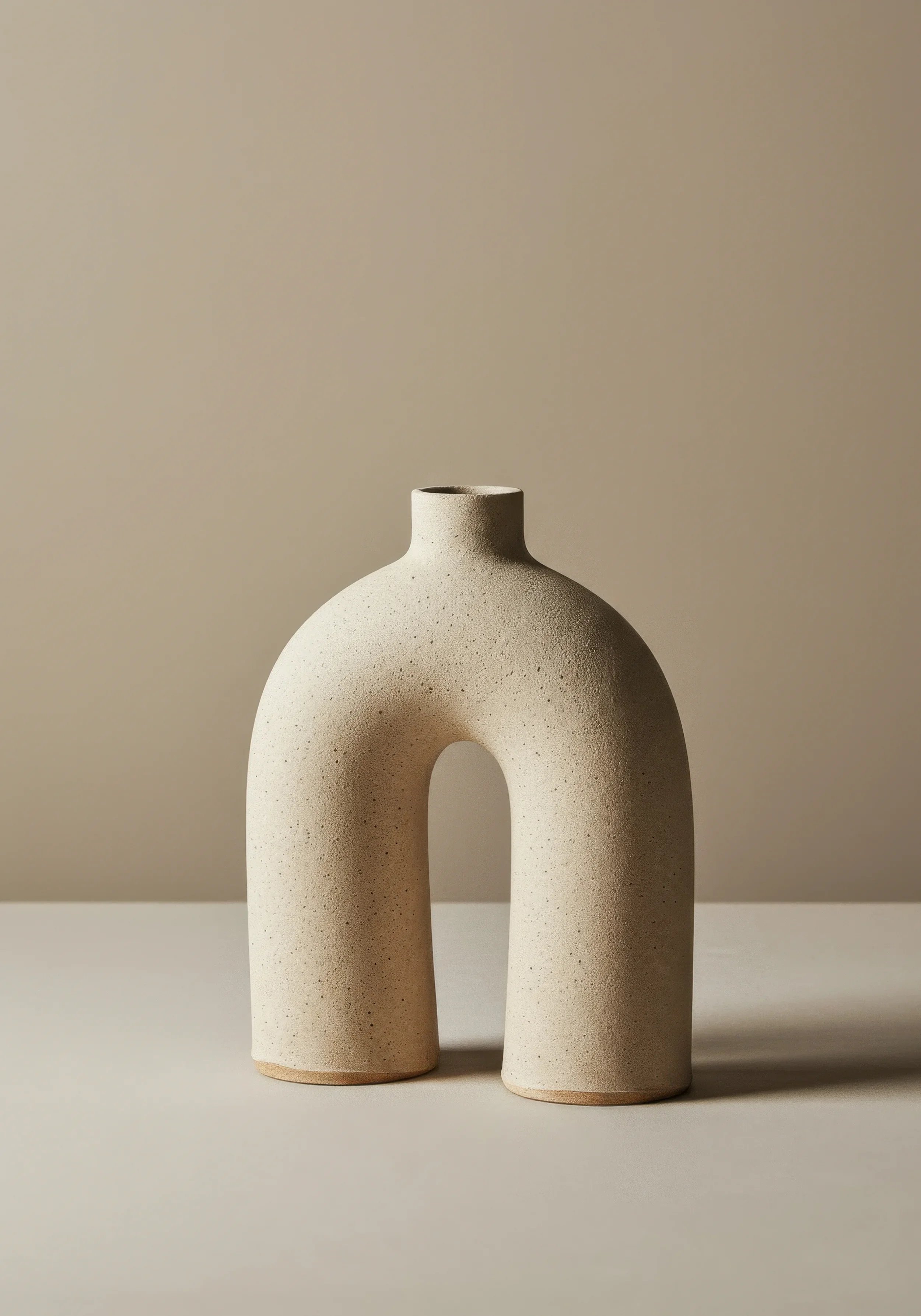
Crafted With Care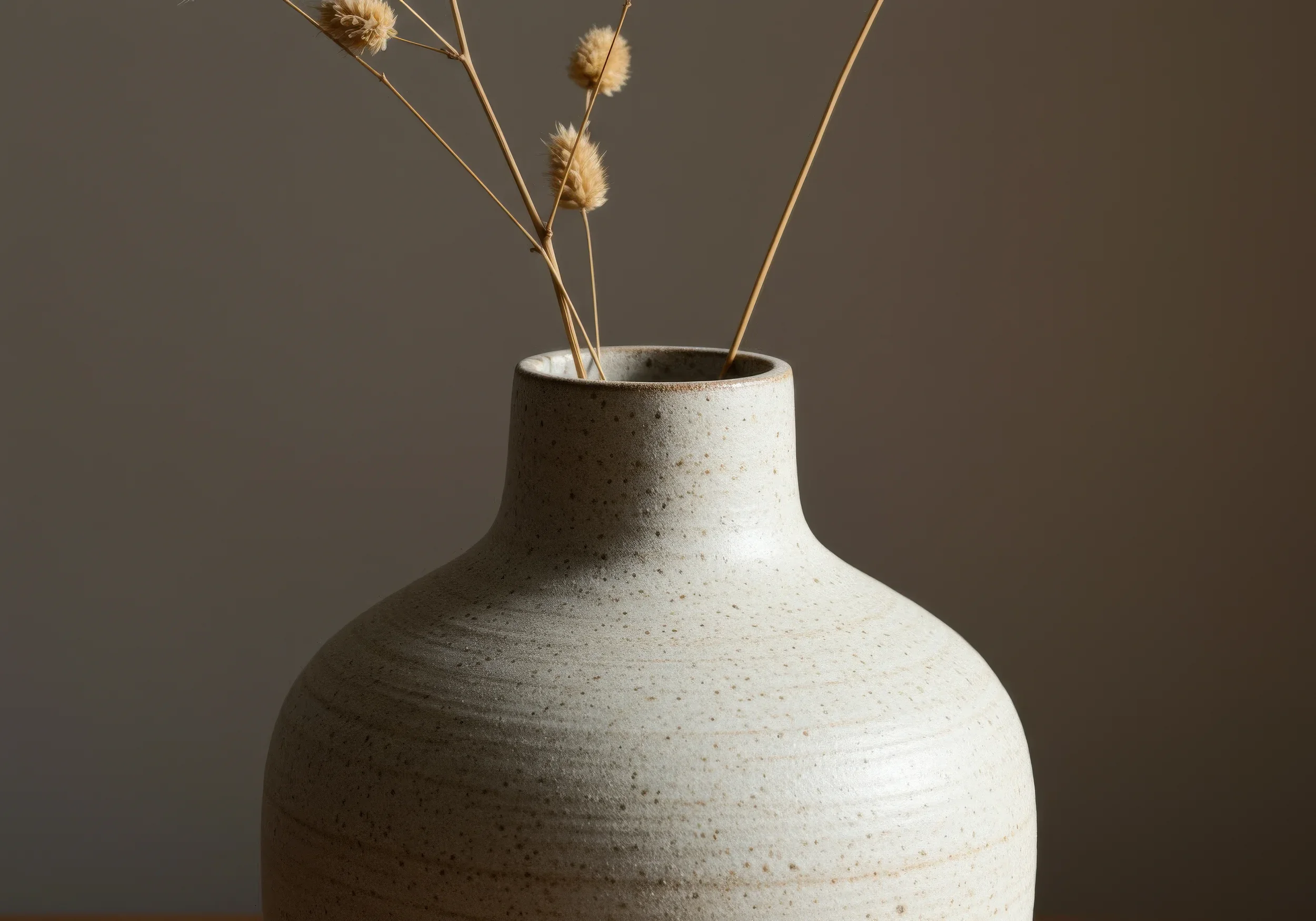
Thoughtful Finishes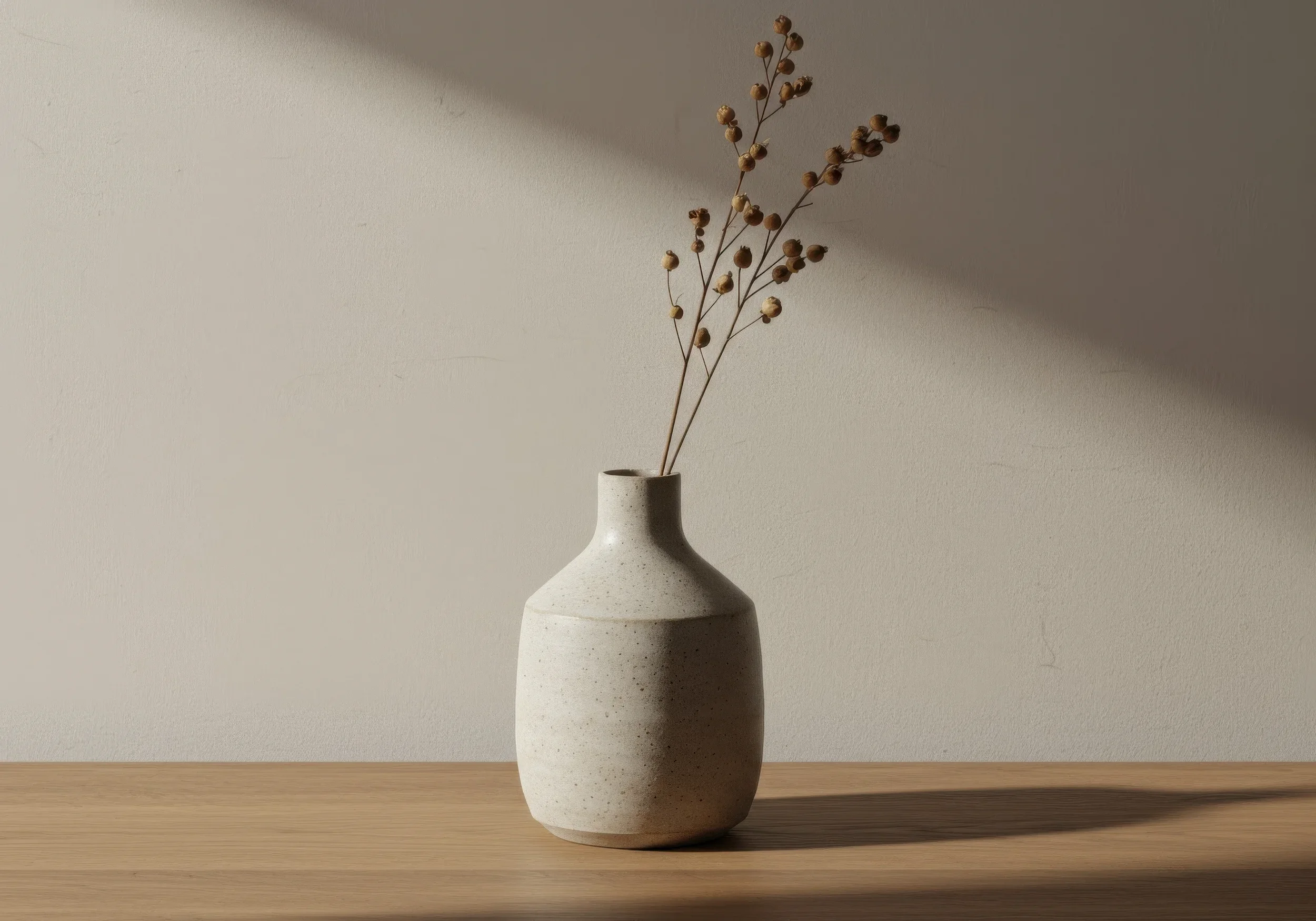
Made for Everyday UseHave Questions?
We'll review your message and get back to you within 48 hours.