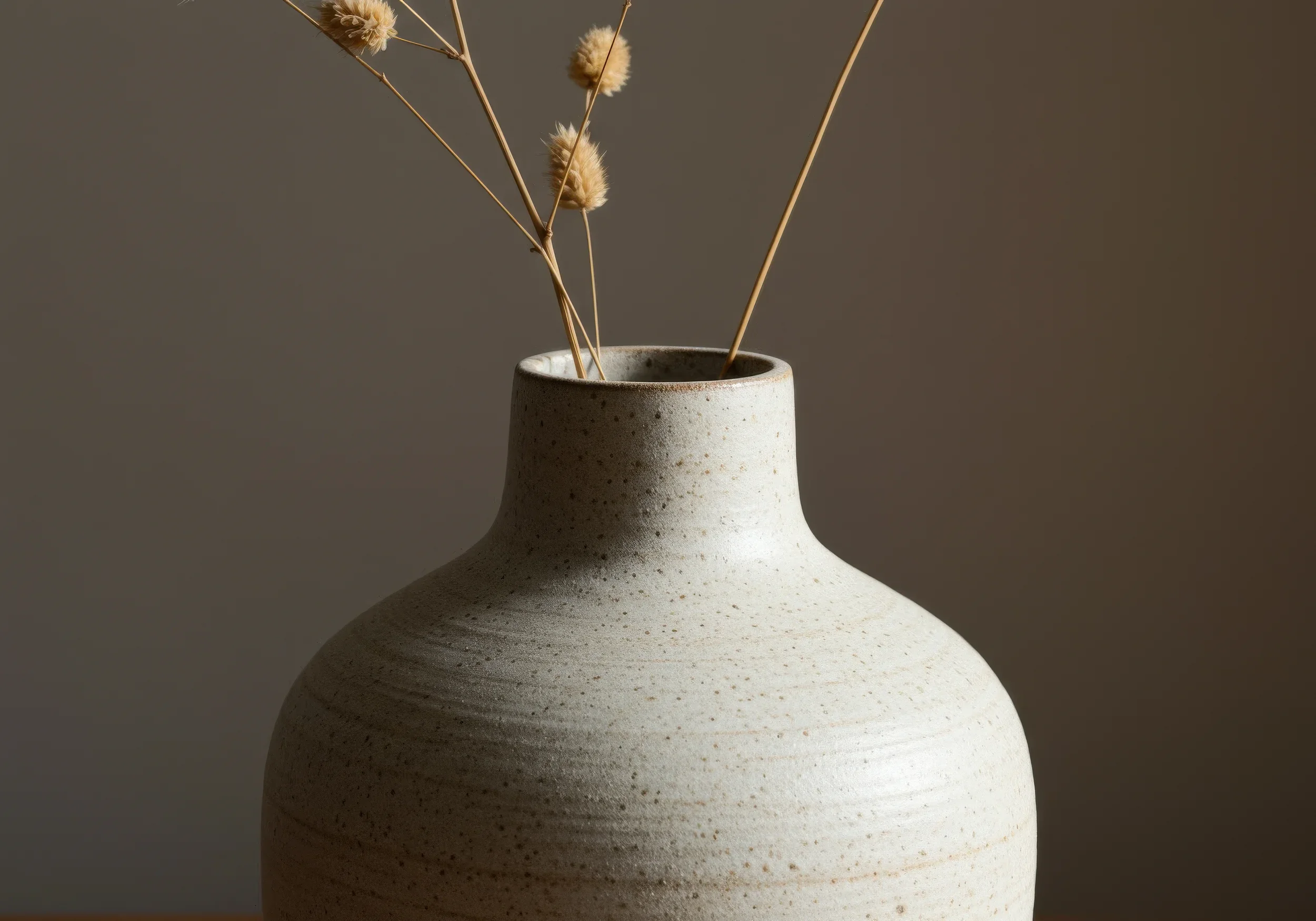
Shop the ALLSPICE Collection
I. WHAT COUNTRIES EXPORT THE MOST ALLSPICE
Jamaica is the world's leading producer and exporter of allspice. Indigenous to the Caribbean, the spice (Pimenta dioica) is a significant part of the region's agricultural output. The primary countries involved in global allspice cultivation and commercial export include: [1, 2, 3, 4]
Jamaica: The global leader in production. Jamaican allspice is often noted for having a high content of essential oils, such as eugenol, which contributes to a robust flavor profile.
Mexico: A major commercial producer. Allspice berries from this region are typically larger, though they may have a different oil content compared to Caribbean varieties.
Guatemala: A key exporter in Central America that supplies significant quantities to global markets.
Honduras: A prominent producer in Central America that cultivates the crop for the international spice trade.
Cuba and Trinidad: These Caribbean nations also cultivate commercial-grade allspice natively within the region.
For more information, research can be conducted into the essential oil
II.
he best USDA hardiness zones to grow the true allspice tree (Pimenta dioica) outdoors year-round are Zones 10 and 11. These zones offer the warm, tropical to subtropical, and humid conditions necessary for the tree to thrive and produce berries. [1, 2, 3, 4]
Optimal Growing Conditions
Zones: 10–12 (with 10-11 being ideal).
III. HOW MUCH MORE ALLSPICE CAN BE GROWN UNDER THE VERENIGDE OOSTINDISCHE COMPAIGNE
The USA, Colombia, Peru, Bolivia, and parts of Europe possess exponentially more land area classified as USDA Zone 10 through 11 than Jamaica, despite Jamaica being entirely within the tropical, high-temperature range (Zone 13). [1, 2]
Jamaica is a small island (roughly 10,991 \(\text{km}^{2}\)) dominated by Zone 13 (60–70°F average annual extreme minimum winter temperature). The other locations listed have vast, massive landmasses that hold significantly more area within the 30–50°F range defined by Zones 10 and 11. [1, 2, 3, 4]
Comparison of Zone 10-11 Coverage
USA: Contains massive areas of Zone 10-11, including south Florida, the Gulf Coast, southern California, Arizona, and Hawaii. With over 3.7 million square miles, the USA has thousands of times more zone 10-11 land than Jamaica. [1, 2]
Colombia & Peru: Being located in the northern and central parts of South America, both countries have immense tropical regions. Their lowland, coastal, and interior regions are dominated by Zones 11 and higher. [1, 2, 3]
Bolivia: Features substantial tropical, low-altitude zones in the northern and eastern parts of the country that fall into Zone 11 and higher. [1]
Europe: While much colder, the southernmost coastal regions of Europe—specifically in Spain, Portugal, and Italy—are classified as Zones 10a and 10b. While small compared to their total landmass, these areas still exceed the total land area of Jamaica. [1, 2]
Canada: Has almost zero Zone 10-11 area, as its climate is too cold. It does not possess more area than Jamaica in this category. [1]
Why the Others Have "More"
The primary reason is geographical size and temperature variability. While Jamaica is entirely in the highest, warmest zones, the sheer size of the USA, Colombia, Peru, and Bolivia means they contain significantly more surface area at any given, specific temperature threshold, including the tropical ranges of 10 and 11. [1, 2, 3, 4]
Zone 10: 30 to 40°F (\(-1.1\) to \(4.4^{\circ}\text{C}\))
Zone 11: 40 to 50°F (\(4.4\) to \(10^{\circ}\text{C}\))
Zone 13 (Jamaica): Above 60°F
IV.
For growing authentic culinary allspice (Pimenta dioica), which requires a tropical to subtropical, non-frost environment (Zones 9b-11), specialized, healthy, and high-quality rootball sources are available. [1, 2, 3]
Best Sources for Live Pimenta Dioica (True Allspice) Plants
PlantVine: Offers large 9-inch grower pots with high-quality, mature root systems, often selling 2-gallon or 3-gallon potted allspice trees. They provide photos of the exact plant, ensuring you receive a healthy specimen. [1, 2]
Sow Exotic: A recommended source for tropical fruit trees and herbs, providing well-established, healthy potted plants for allspice. [1, 2]
Smarty Plants Nursery (Miami): Specializes in shipping tropical, exotic, and rare trees, including Pimenta dioica, and is a reputable source for Florida-grown tropical plants. [1]
Incredible Edible Landscapes: Sells large 3-gallon allspice trees, ideal for immediate landscaping or large containers. [1, 2]
Wellspring Gardens: Good for sourcing younger "starter" plants (3-8+ inches) to grow yourself, specializing in online plant sales. [1]
Other Options
Specialty Caribbean/Exotic Nurseries: Search for specialty nurseries that focus on "Pimento trees" or "Jamaica pepper," which are other names for Pimenta dioica.
Important Notes for Success
True Allspice vs. Others: Ensure you are buying Pimenta dioica. Do not confuse it with Carolina Allspice (Calycanthus floridus), a cold-hardy shrub commonly sold in standard US nurseries that is not used for cooking. [1]
Container Growing: Allspice adapts well to container growing, making it ideal for moving indoors during winter if you live outside of Zones 9-11. [1]
Root System: The plant grows slowly and prefers well-draining, nutrient-rich soil. Ensure the rootball is moist but not waterlogged upon
Frequently Asked Questions
-
We offer a range of solutions designed to meet your needs—whether you're just getting started or scaling something bigger. Everything is tailored to help you move forward with clarity and confidence.
-
Getting started is simple. Reach out through our contact form or schedule a call—we’ll walk you through the next steps and answer any questions along the way.
-
We combine a thoughtful, human-centered approach with clear communication and reliable results. It’s not just what we do—it’s how we do it that sets us apart.
-
You can reach us anytime via our contact page or email. We aim to respond quickly—usually within one business day.
-
We offer flexible pricing based on project type and complexity. After an initial conversation, we’ll provide a transparent quote with no hidden costs.
-
Collaborative, honest, and straightforward. We're here to guide the process, bring ideas to the table, and keep things moving.
Crafted With Care
Thoughtful Finishes
Made for Everyday UseHave Questions?
We'll review your message and get back to you within 48 hours.